GST Appeal Time-Limit 2026: GSTAT Deadline, Rules & Example
Published on: Thu Sep 18 2025
Adv. Hetal Bansal

Bio (Reveal/Hide)
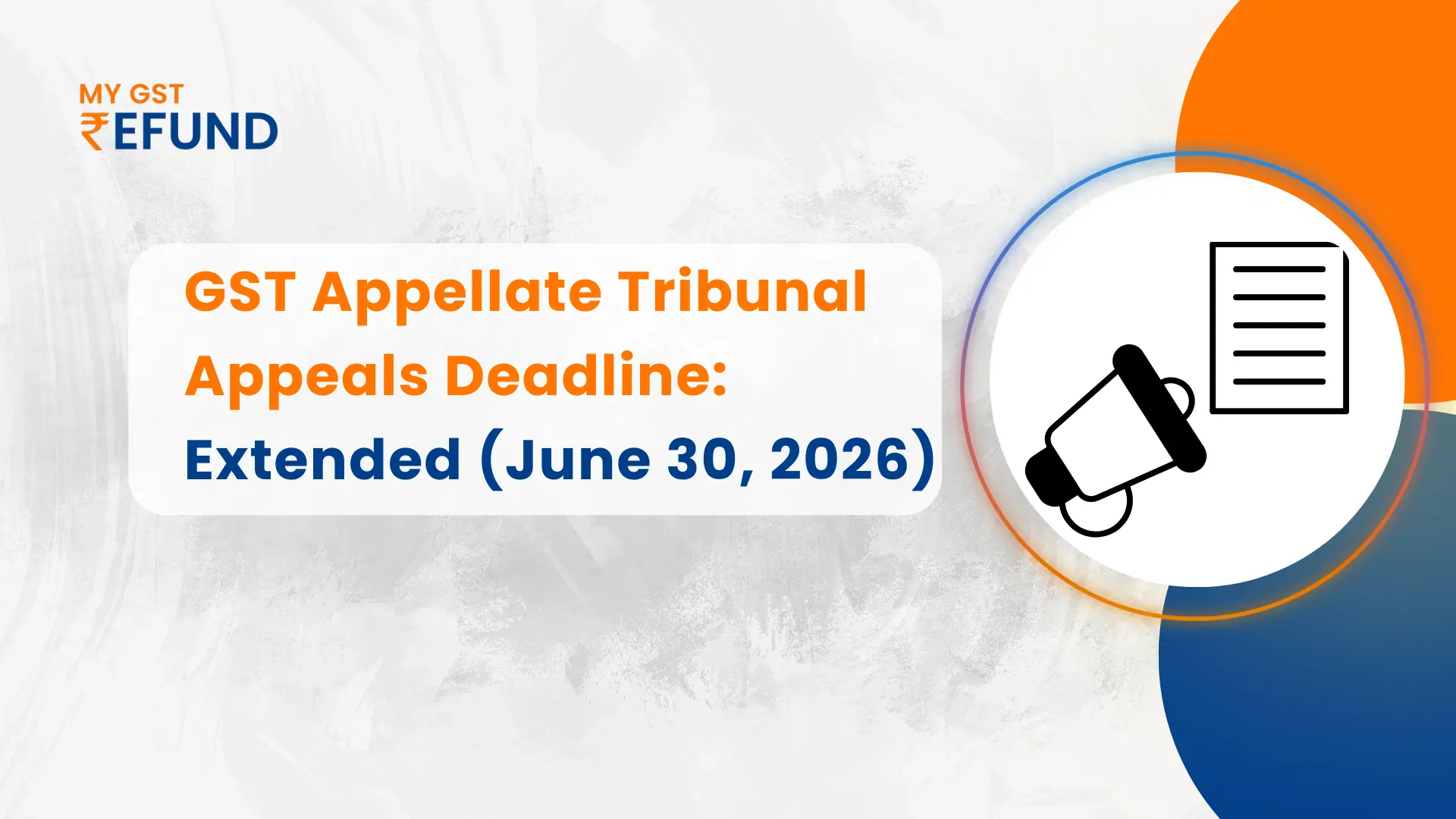
GST Appeal Time-Limit 2026: GSTAT Deadline, Rules & Example
An order passed under the CGST Act may be challenged through the prescribed appellate hierarchy. A first appeal generally lies before the Appellate Authority, while an appeal to GSTAT lies against an order passed by the Appellate or Revisional Authority, subject to the applicable limitation period
The complexity comes from the many provisions of the CGST Act, 2017, concerning first appeals, revisional jurisdiction, appeals to GSTAT, and appeals to the High Court, all with their different limitation periods. The process was further complicated by the nearly 8-year delay in the constitution of GSTAT and the constitution and operationalisation of GSTAT, which commenced in 2025
In this guide, we will explain a set of rules that govern the appeal time-limits, appeal hierarchy, and rules and regulations of the GST Appellate Tribunal regarding pre-deposit, and provide an example to see what applies to your order.
What is the GST Appeal Time-Limit?
GST appeal time limit refers to the time limit as per the law after which the aggrieved person or the Commissioner can raise an appeal against an unfavorable order before another appellate body.
The main limitation provisions under the CGST Act, 2017 include Sections 107(1) (3 months for first appeal to Appellate Authority), 112(1) (3 months for second appeal to GSTAT), and 117 (High Court with rules laid down by the HC).
GST Appeal Time Limit for DRC-07
GST DRC-07 is the instrument prescribed under rule 142(5) of the CGST Rules, 2017, for specifying the amount of tax, interest, and penalty that are determined to be payable following the conclusion of the adjudication proceedings as provided in Section 73 or Section 74 of the CGST Act, 2017.
For purposes of the statutory appeal limitation, Section 107 refers to the date on which the decision or order is communicated to the person concerned. DRC-07 is the prescribed summary of the demand under Rule 142(5), but the limitation should be determined by reference to the applicable appealable order and its communication.
GST Appeal Hierarchy: Where GSTAT and High Court Fit?
Whether your dispute falls into one of the two time limits depends on where your case is in the appeal process.
GST Appeal Time Limit in the High Court
An appeal to the High Court under Section 117 lies where the High Court is satisfied that the case involves a substantial question of law. This makes GSTAT the practical, cost-effective forum for most taxpayers rather than jumping straight to the High Court.
Time Limit to File Appeal in GST Tribunal (GSTAT): 2026 Update
GSTAT deadlines currently run on two separate tracks, depending on when your order was communicated.
Extended Deadline: July 31, 2026
- Applies to orders communicated before May 1, 2026, subject to the conditions specified in the applicable notification, that is, orders issued in the period during which GSTAT was not constituted or fully operational.
- The original transitional deadline of June 30, 2026, was extended to July 31, 2026, by a Ministry of Finance notification issued under Section 112(1) read with Section 112(3) of the CGST Act, 2017, following representations that the portal experienced extreme congestion in the final days of June.
- This is the final confirmed deadline for this category as of July 31, 2026.
Normal 3-Month Rule
- Applies to orders communicated on or after May 1, 2026
- Filing window: three months from the date on which the order is communicated.
- GSTAT may allow an appeal to be presented within a further period of up to three months if the appellant satisfies the Tribunal that there was sufficient cause for the delay
GST Appeal Time Limit Extension Notification: Why It Happened Twice?
The transitional GSTAT filing deadline was initially set for June 30, 2026, and was subsequently extended to July 31, 2026, risking extinguishing the appeal rights of thousands of taxpayers not due to any deliberate delay on their part, but because the GSTAT e-filing portal was overwhelmed by the volume of simultaneous filing attempts in the final 15 days of the window.
What caused the situation: In the final 15 days of June 30, 30,000 appeals were received, comprising 5,500 appeals on one day.
How it was fixed: The Ministry of Finance issued a fresh notification with the deadline extended till July 31, 2026, with Section 112(3) of the CGST Act read with Section 112(1) of the CGST Act.
For example, a manufacturing taxpayer who attempted to file on June 28, 2026, encountered repeated portal timeouts and session errors due to the server overload in the final week of the deadline.
Had the filing been initiated at least five to seven working days before the cut-off, the technical failure risk would have been entirely avoidable. This is the single most actionable lesson from the June 2026 portal rush.
Lesson: The extension is relief, not a reason to wait. File as soon as your documents are ready.
GST Appeal Time Limit With Example
Example 1 (post April 2026 order): The order is sent on April 15, 2026. GSTAT filing deadline is July 15, 2026, and the condominium closing is August 15, 2026.
Example 2 (transitional/pre-April 2026 order): An order was sent before the full functioning of the Tribunal on February 10th, 2026. This order stays in force beyond the standard 3-month transition period, effective July 31, 2026.
Pre-Deposit Requirement Before Filing at GSTAT
Section 112 requires payment of the admitted tax, along with an additional pre-deposit of 10% of the disputed tax for an appeal before GSTAT, in addition to the amount already deposited at the first-appeal stage under Section 107(6), subject to the statutory maximum
The Tribunal has no discretion to waive this pre-deposit requirement and is not required to consider the merits of an appeal if it fails to make the pre-deposit.
- The applicable pre-deposit should be paid through the prescribed GST payment mechanism. The manner in which the electronic cash or credit ledger may be used should be verified against the latest CBIC instructions and applicable judicial decisions before filing
- Once the prescribed pre-deposit requirements under Section 112 are fulfilled, recovery proceedings for the remaining balance of the disputed tax are deemed to be stayed in accordance with Section 112.
- Any refund arising from a favourable appellate decision is subject to the applicable provisions and prescribed refund procedure, including applicable interest provisions
Conclusion
The GST appeal time limit is not a single date; it depends on when your order was communicated and which appellate level you're approaching. Getting the communication date, pre-deposit, and documentation right the first time is what protects your right to appeal.
Frequently Asked Questions (FAQ's)
1. What is the last date to file a GSTAT appeal in 2026?
Orders placed before 1st April 2026 will be valid for seven days till 31st July 2026. Post April 1, 2026, the standard 3 months from the date of communication will apply.
2. What is the pre-deposit amount required for a GSTAT appeal?
100% of the admitted tax and 10% of the disputed tax, capped at Rs. 25 crore each under CGST and SGST/IGST.
3. Can I file a GST appeal online?
Yes, through the GST portal using Form APL-05, after logging in with your GSTIN credentials.
4. What is the GST appeal time limit for DRC-07 orders?
The clock starts from the date DRC-07 (or the underlying order) is communicated to you, not the date it was passed.
5. Can a GST appeal delay be condoned after the deadline?
Section 112(4) allows up to one month's condonation for sufficient cause under the normal rule, but this is not guaranteed for the extended transitional deadline.
6. What is the GST appeal time limit in the High Court?
High Courts hear GST matters only on questions of law, not facts, and under Section 117(2), an appeal to the High Court is generally to be filed within 180 days from the date on which the order appealed against is received by the aggrieved person, subject to the High Court's power to admit a delayed appeal where sufficient cause is shown
7. Who can represent me before GSTAT?
A Chartered Accountant or authorised tax consultant can represent you with a signed authorisation letter.
Related Posts