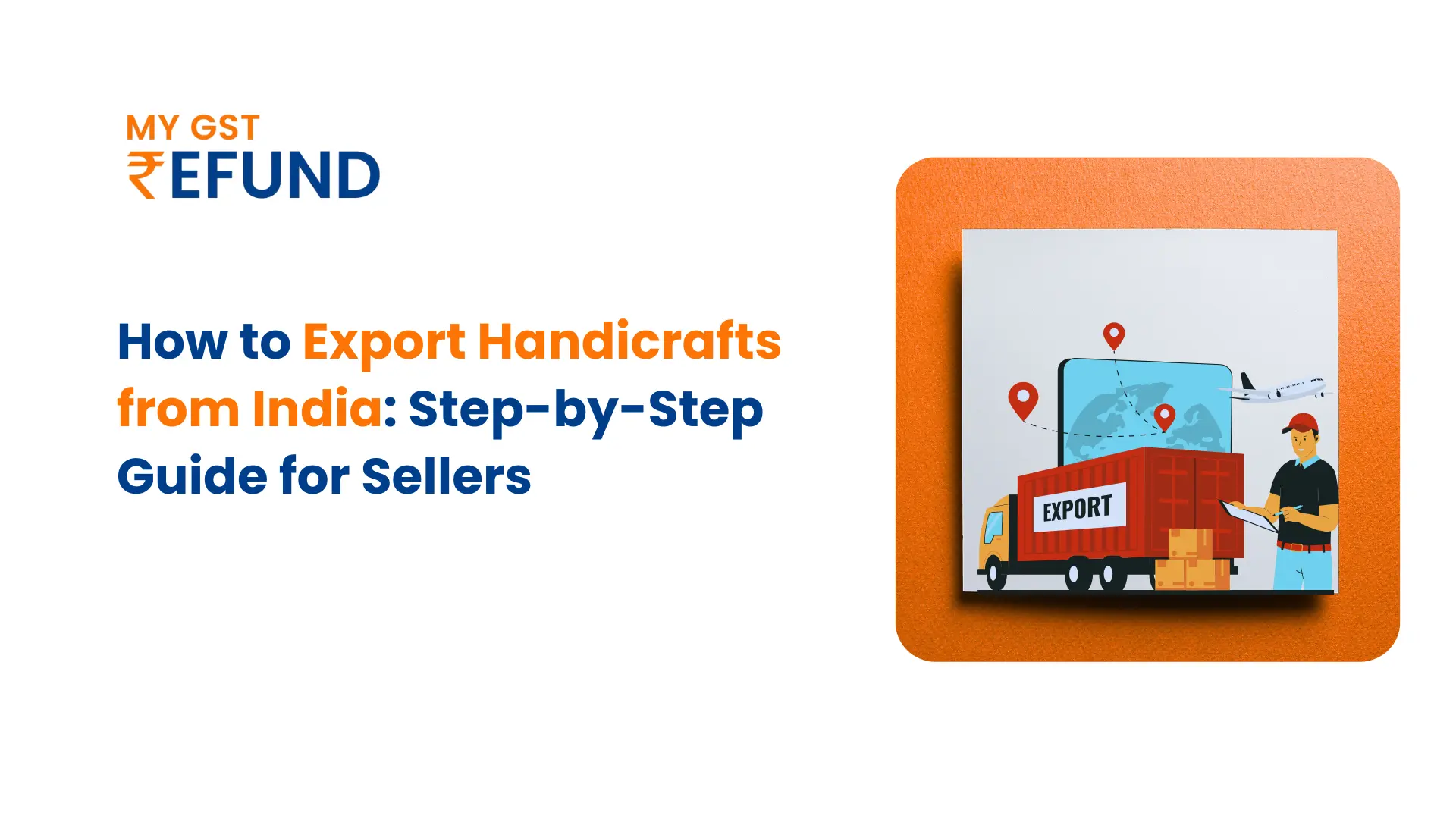
How to Export Handicrafts from India: Step-by-Step Guide for Sellers
Published on: Thu Nov 27 2025
Satyam Raj

Bio (Reveal/Hide)
Everyone prefers handicraft products because of their environmental friendliness, attractiveness, and craftsmanship. India is highly known for its traditional artwork and handicrafts products. The beauty of Indian handicrafts draws purchasers from all over the world, including the blue ceramics from Jaipur, the carpets from Kashmir, the brassware from Moradabad, and the handloom sarees from Varanasi. Handicraft export from Indian is appreciated by the world market.
Over the past years, the demand for Indian handicraft items has grown substantially with the rising popularity of handicraft items. This growth also includes a rising interest in the export of handloom products, especially traditional Indian textiles.
If you are thinking of starting to export handicrafts, then you are in the right place. This guide will help you understand the market, the documents required, the schemes by the government, and the steps to follow in the process of exporting goods.
Why are Indian handicrafts in high demand around the world?
The following factors that will make Indian handicrafts different from others:
✔️ Artistic value and Hand-made beauty.
✔️ Environmentally friendly, sustainable and traditional manufacturing.
✔️ Good cultural narration and heritage attraction.
✔️ Quality craftsmanship at a low price.
Natural, hand-crafted, and ethical products are the current favourite of the consumers, which is why the Indian handicraft is a “golden egg” in the global market of lifestyles, decor, fashion and gifting.
Top Countries for Handicraft Exports from India
Among the largest customers of Indian handicraft products are:
United States -Biggest in decor, carpet, jewellery, candles and wooden crafts.
United Kingdom - There is demand for eco-friendly products in textiles, home decor and handwoven products.
United Arab Emirates: Heavy demand for heritage craft, furniture and luxury decor.
Germany & France- People here demand organic handloom, handmade goods and ceramics.
Japan and Australia - like handcrafted textile products of high quality.
Indian vendors have a major competitive advantage in these markets because they place a high value on handmade goods, eco-sustainability, and craftsmanship.
Overview of the Indian Handicraft Industry
The handicraft industry in India is among the highest employment generators, after agriculture and supports:
7+ Million Artisans
The product includes home decor and furniture, embroidery, metal art, pottery, carpets, textiles, and fusion items of modern crafts.
GST Registration Bank Details Update
Future Scope of Handicraft Exports
The world demand for handicrafts is estimated to touch USD 1 trillion by 2030. This major growth is due to:
Growth in the interest of eco-friendly and handmade lifestyles products.
E-commerce exports and home-based operations.
Expansion of environmentally friendly interior decoration and gifts.
Export schemes and online platforms by governments.
The Indian sellers can grow across the world with minimal investments once their products are positioned and branded correctly.
Government Programs in support of Handicraft Exporters.
To enhance artisan-based business, the Government provides:
• Export assistance and trade fair participation assistance provided by EPCH (ExportPromotion Council on Handicrafts).
• Export marketing and branding MAI (Market Access Initiative).
• MDA (Merchandise Development Assistance) for foreign exhibitions and trade shows.
• Duty drawback & RODTEP advantages to lower the cost of export.
Essential Handmade Items Exported from India
The following are India's most well-liked handcraft exports:
Home décor & furnishings
Bamboo, wood and cane crafts.
Garments embroidered and sewn by hand.
Metal art and brassware
Stone, marble and pottery objects.
Jute products, carpets and rugs.
Homemade jewellery and accessories.
Export Promotion Councils for Handicrafts.
The exporters should register with:
EPCH (Export Promotion Council for Handicrafts) is the main governing body. You can check out their website- EPCH
The advantages of this registration include access to exporter benefits, certification, trade fairs, and world buyer databases.
Documents Required for Exporting Handicrafts
Exporters must have:
✔️ IEC (Import Export Code)
✔️ GST registration
✔️ Bank AD code & current account
✔️ EPCH Registration (RCMC)
✔️ Packing list and commercial invoice.
✔️ FSSAI (only in case it involves organic craft materials)
✔️ Export shipping bill, e-way bill.
✔️ Certificate of origin (where necessary)
Procedure for Exporting Handicrafts from India
1. Studies regarding the demand and trends in the world.
Select the high-demand categories of handicrafts and find out the buyer preference.
2. Register your business and get export licenses.
Register for IEC, GST, RCMC and other certifications.
3. Production of handicrafts.
Collaborate with artisans, workshops, cooperatives or do in-house production.
4. Advertise on international sites or find customers.
Use various online platforms or B2B portals such as Alibaba, Indiamart or the EPCH trade show.
5. Packaging & Quality Control
Export-ready packaging should be done to avoid damage, ensure safe shipping, and labelling regulations at the destination.
6. Shipping & Logistics
Select air or sea cargo based on the type and volume of product.
7. Take payments and claim GST Refunds.
Improve cash flow by using export benefits such as RODTEP, duty drawback and automated GST refunds using sites such as MYGST Refund.
The Final Thought
The export of handicrafts in India has a massive potential for the small sellers as well as the established brands. Due to increased global interest in handmade and sustainable goods, Indian artisans and exporters have opportunities and advantages like never before. Indian sellers will be able to scale internationally using export processes, councils such as EPCH and government benefits.
Simplify Your Export Experience with Quicker GST Refunds
Exporting handicrafts is difficult and takes a lot of time, effort, and creativity - waiting months to receive your GST export refund isn't part of that process. MYGST Refund lets you file GST refunds accurately, quickly, and automatically. You won’t have to deal with filing errors or lost paperwork. Fast refunds, better cash flow to build your global business, no stress.
Let MYGST Refund, India’s #1 automated GST Refund platform, simplify your GST refund process today- make sure your export business runs smoothly.
Frequently Asked Questions
1. Which Country is best for exporting handicrafts?
Indian handicrafts have been successful in the USA, UK, UAE, Germany, and Japan.
2. What is the way to receive online export orders of handicrafts?
Trade fairs using EPCH, Etsy, Alibaba, and other trade fairs assist sellers in selling their products to buyers worldwide.
3. What are the high-demand products of handicrafts?
The trend is home decor, handloom textile, pottery, wooden objects, and handmade jewellery.
4. What is the way of opening up a handicraft export business in India?
Register with EPCH, get an IEC, establish production, make e-commerce listings or locate B2B buyers, and comply with export requirements and packaging.
Related Posts